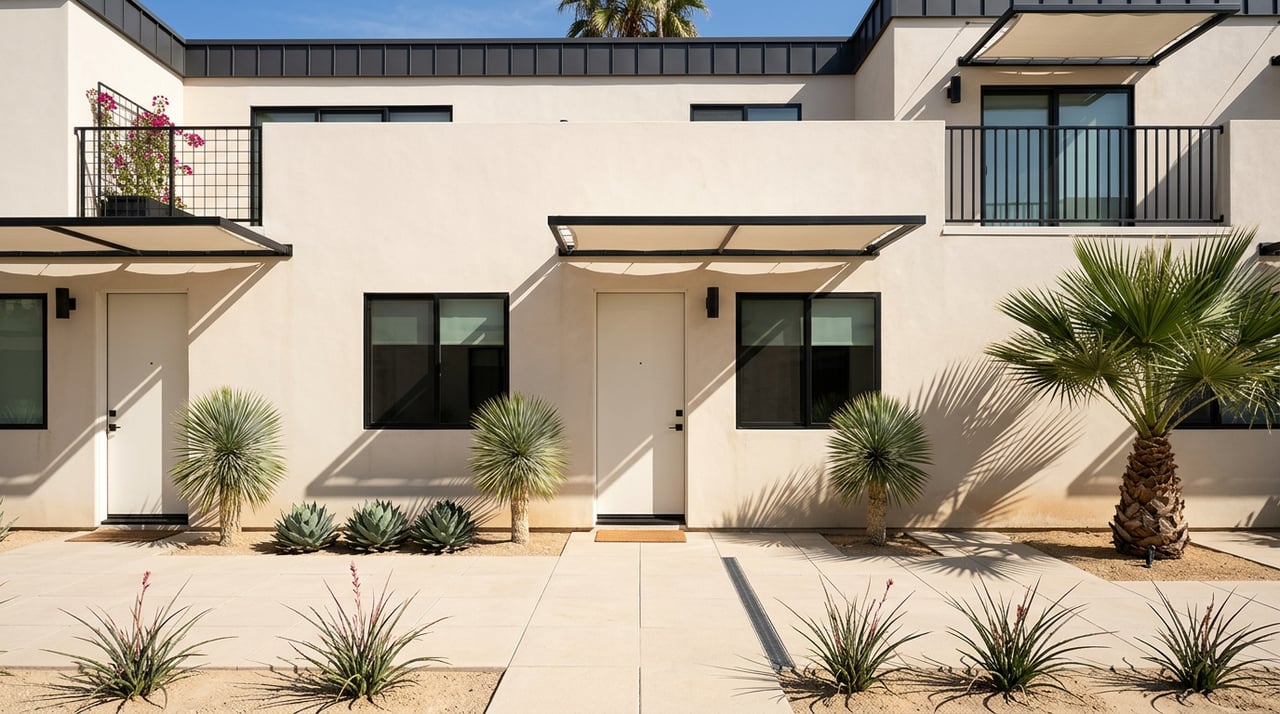
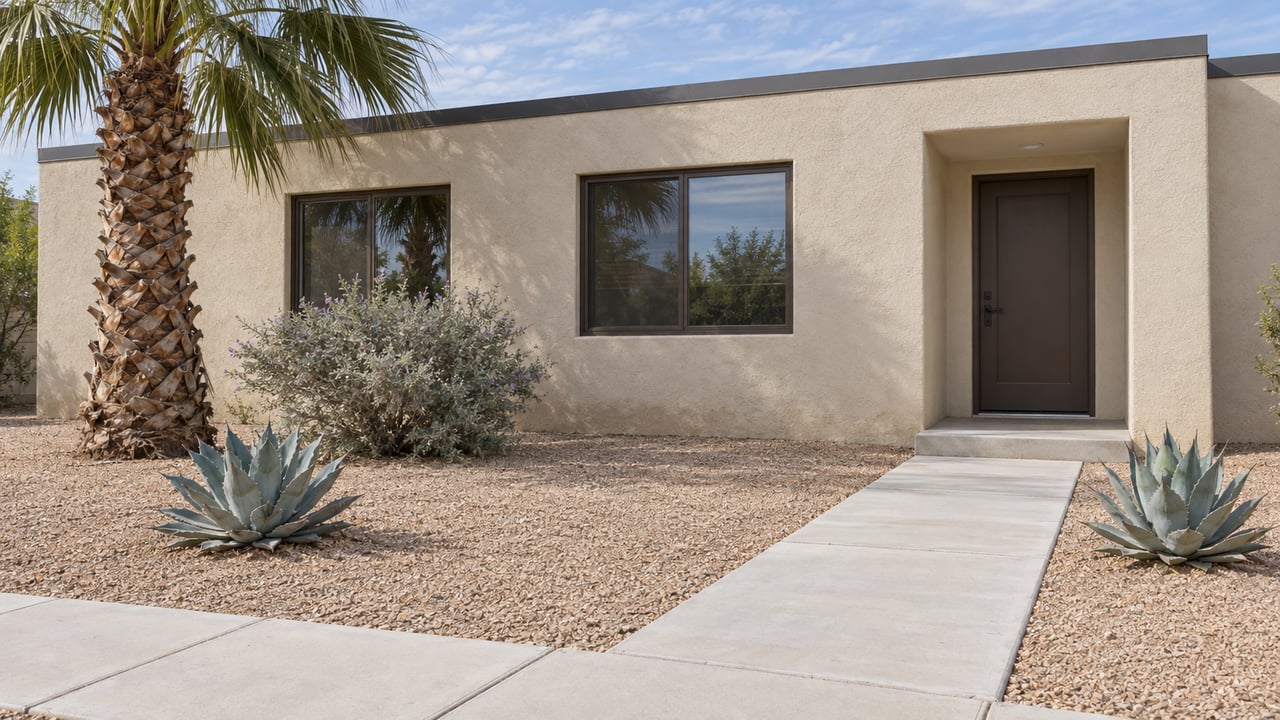
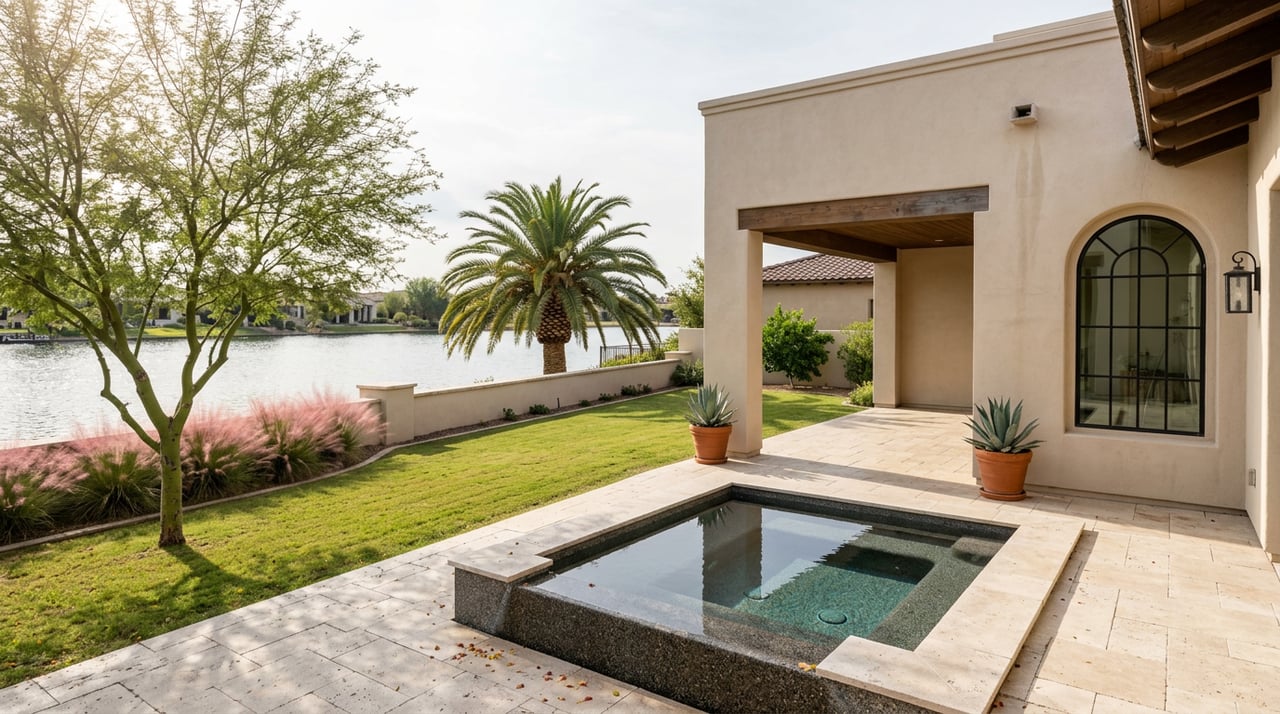
Do you want low-maintenance Scottsdale living without surprises after closing? If you are drawn to walkable dining, resort-style amenities, or a lock-and-leave second home, a condo or townhome can be a great fit. The key is understanding the legal structure, HOA health, financing rules, and short-term rental policies before you commit. This guide walks you through how Arizona treats these properties, what to review in the HOA’s documents, and the practical steps to buy with confidence in Scottsdale. Let’s dive in.
Condo vs. townhome basics in Arizona
How Arizona defines condos
A condominium is a specific form of common-interest ownership. You own your defined unit plus a shared interest in the project’s common elements. Arizona’s rules for condos are set out in the Arizona Condominium Act. You can read the statutory framework in the Arizona Condominium Act at Title 33, Chapter 9.
Townhomes and planned communities
Many Scottsdale townhome neighborhoods are organized as planned communities with fee-simple lots and an HOA. Others are legally condos built in a townhome style. Governance for planned communities is covered by the Arizona Planned Community Act. See the Planned Community Act at Title 33, Chapter 16.
Why legal form matters
The legal form controls who maintains what, how the HOA is insured, what disclosures you receive, and which state statutes apply at resale. In practice, condos often have the association maintain roofs and the exterior, while planned communities vary by declaration. Responsibilities are defined in the recorded CC&Rs and bylaws, a best practice emphasized by community-association resources like CAI.
What HOA fees usually cover
HOA dues commonly bundle costs you would otherwise pay separately. Depending on the community, fees may include:
- Common-area maintenance and landscaping
- Exterior building maintenance and roofs (more typical in condos)
- Pools, fitness rooms, clubhouse upkeep, and gated access
- Building insurance on a master policy
- Water and trash in some garden-style complexes
Always verify the current operating budget and what the master policy covers. High deductibles or gaps in coverage are red flags. Guidance on reserves and long-term planning from CAI’s reserve study resources can help you frame the right questions.
Must-have documents before you write an offer
Arizona resale disclosure packet and timing
Arizona law requires a defined resale-disclosure package after a unit goes under contract. For condos, the requirements are in ARS §33-1260. For planned communities, they are in ARS §33-1806. The packet must include CC&Rs, bylaws, rules, a statement of assessments and delinquencies, the operating budget, the most recent annual financial report, the most recent reserve study if one exists, the total reserve amount, and a statement of pending lawsuits where the association is a named party. The association typically has ten days after notice to deliver the packet and can charge a statutory fee.
Extra items to request and review
In addition to the statutory packet, ask for these items to complete your due diligence:
- 6 to 12 months of board and annual meeting minutes to spot upcoming projects, rule changes, or special assessments. See reserve-study context from CAI resources.
- The master insurance policy declarations, including policy limits and deductibles. Confirm whether you need an HO-6 policy for interior finishes and personal property.
- The most recent reserve study and current reserve balances. Underfunded reserves often lead to special assessments and lender scrutiny. CAI’s guidance on reserve studies explains why this matters.
- A summary of any pending litigation and copies of pleadings that affect finances, safety, or insurability. Litigation material to habitability or structural safety is a major risk. Statutory disclosure is described in ARS §33-1260.
- Owner-occupancy and rental mix information if available. High investor concentration can limit financing options later.
Financing and warrantability
Why project eligibility affects your resale
Most lenders evaluate the entire project, not just your unit. If the building is considered non-warrantable, conventional, FHA, or VA financing may be limited. That can shrink the future buyer pool and affect pricing power. Common triggers include low reserves, high assessment delinquencies, significant litigation, excessive commercial space, high investor concentration, or one owner holding too many units. See a lender program overview in this documentation matrix reference.
What lenders check
- Single-entity ownership concentration within the project
- Owner-occupancy versus rental mix, including short-term rentals
- Reserve funding levels and any special assessments
- Litigation related to safety, habitability, or major financial exposure
Smart steps with your lender
- Ask your lender early to screen the project for eligibility and to flag any issues that require more documentation.
- If you plan to use FHA or VA financing, confirm whether the project holds approval or if a unit-level exception is possible.
- If the project is non-warrantable, expect higher down payment and rate requirements, or portfolio-loan options.
Short-term rental rules in Scottsdale
If you plan to rent your unit as a vacation rental, you must confirm both HOA and city requirements. Many associations set minimum lease terms or prohibit short-term rentals. Scottsdale also requires short-term rental licensing and has specific operational rules. Review the city’s short-term rental licensing guide and confirm your HOA’s rental policy before you buy.
Where condos and townhomes cluster in Scottsdale
- Old Town Scottsdale offers low to mid-rise condos and luxury high-rise options near dining, arts, and entertainment. Expect more walkability and on-site amenities.
- Kierland Commons and Scottsdale Quarter attract buyers who want shopping and dining close by, with contemporary condo buildings and townhome options.
- Gainey Ranch and McCormick Ranch feature golf-adjacent condos and townhomes with landscaped grounds and community amenities.
- North Scottsdale neighborhoods like Grayhawk and DC Ranch offer gated townhome communities, attached homes with garages, and resort-style amenities.
Your choice comes down to lifestyle: urban and walkable, golf and greenspace, or gated and amenity-rich. The association’s financial health and the project’s financing eligibility should weigh as much as finishes and views.
Buyer checklist: what to request and verify
Use this quick list to organize your due diligence. Many items appear in the statutory packet described in ARS §33-1260 for condos and in ARS §33-1806 for planned communities.
- Statutory resale packet: CC&Rs, bylaws, rules, operating budget, annual financial report, reserve balances and any reserve study, assessment statements, and pending litigation summary
- 6 to 12 months of board meeting minutes and a summary of recent financial trends
- Master insurance declarations page with limits and deductibles; confirm your HO-6 needs
- Details on any current or planned special assessments and major capital projects
- Reserve study age, recommended funding plan, and current reserve balance
- Management company contact and the management agreement, if applicable
- Rental rules, including any minimum lease term or short-term rental restrictions; compare to the city’s short-term rental licensing guide
Questions to ask the seller or HOA manager:
- Have there been recent special assessments? For what and how were they decided?
- What percentage of owners are over 30 days delinquent on dues?
- Is there any pending litigation that could impact assessments, safety, or insurance?
- Who is responsible for roof, exterior, pool, and major systems, and when were they last replaced?
Red flags to pause or escalate with legal counsel:
- Missing or incomplete statutory packet after the required timeline
- No recent reserve study, low reserve balances, or a study showing major near-term costs with no funding plan
- Litigation tied to structural safety, habitability, or large financial exposure
- High investor concentration or extensive short-term rentals that could restrict financing
- Signs of cash-flow stress like repeated special assessments or operating deficits
Resale considerations in Scottsdale
Resale results depend on location, the supply of similar units in your community, the association’s financial and insurance health, and whether lender programs will finance the project. Condos often appeal to second-home buyers and downsizers who value amenities and convenience, while townhome buyers may prioritize space and garages. Projects with clear, healthy reserves and broad loan eligibility usually attract more buyers and sell more smoothly. For context on how lender criteria influence demand, see this program documentation reference.
Your next step
Buying a Scottsdale condo or townhome can be straightforward when you verify the legal form, study the HOA’s finances, and confirm project eligibility with your lender before contingencies expire. If you want a guided, local approach from a family-led team that works this process every day, reach out to Birk to start a focused search and due diligence plan that fits your goals.
FAQs
What is the difference between a condo and a townhome in Arizona?
- A condo is a legal form where you own a unit plus a shared interest in common elements under the Arizona Condominium Act. A townhome is a building style that may be a condo or a fee-simple lot inside a planned community governed by the Planned Community Act.
What does an HOA fee typically cover in Scottsdale condo communities?
- Dues often include exterior maintenance, roof care, landscaping, amenities like pools or a fitness room, and a master insurance policy. Some communities also include water or trash. Always confirm with the operating budget and insurance declarations.
What is in the Arizona condo resale packet, and when do I get it?
- The packet includes CC&Rs, bylaws, rules, assessments and any delinquencies, the operating budget, annual financials, reserve balances and any reserve study, and a litigation statement. It is required by ARS §33-1260 and is typically delivered within ten days after notice of sale.
How do lenders decide if a Scottsdale condo project is warrantable?
- Lenders review project factors like reserve funding, assessment delinquencies, owner-occupancy, single-entity ownership, commercial space, and litigation. Non-warrantable projects limit loan options and the future buyer pool. See the program reference.
Can I use a Scottsdale condo for short-term rentals like Airbnb?
- It depends on your HOA rules and the city’s requirements. Many HOAs restrict short-term rentals. Scottsdale also requires licensing and has operational rules outlined in the city’s short-term rental guide.
What insurance do I need as a condo buyer?
- The HOA’s master policy typically covers building exteriors and common areas. You likely need an HO-6 policy for interior finishes, personal property, and loss assessment. Confirm coverage, limits, and deductibles in the master policy declarations.
How can I spot the risk of special assessments before I buy?
- Review the most recent reserve study and balances, read 6 to 12 months of board minutes, and ask about upcoming projects. Underfunded reserves or deferred maintenance are common signals that assessments could be coming.