How Long Does It Take to Sell a Home in Tempe?
July 2, 2026
July 2, 2026
Wondering whether your Tempe home will sell in a weekend or sit for months? The honest answer is that both outcomes are possible, depending on your price point, property type, condition, and timing. If you are planning a move, this guide will help you understand what the real timeline looks like in today’s Tempe market, from listing day to closing day. Let’s dive in.
If you look at current market data, Tempe is active, but it is not a blink-and-you-miss-it market. In May 2026, Realtor.com reported a median 51 days on market in Tempe, while Redfin showed 52 days on market and described the market as somewhat competitive.
That means many sellers should plan for a measured process instead of assuming their home will sell immediately. Realtor.com also reported 581 active listings, a $499,000 median listing price, and a 98% sale-to-list ratio, with homes selling for about 1.5% below asking on average.
One of the biggest points of confusion is that not all market stats measure the same thing. Zillow reported Tempe homes going pending in about 23 days, but pending is not the same as sold.
A home can go under contract quickly and still take weeks longer to close. If you want a realistic plan for your move, you need to think in terms of list to close, not just list to contract.
In Tempe, the type of home you are selling can make a major difference. ShowingTime’s ARMLS-based May 2026 update reported 51 days on market until sale for single-family homes and 86 days for townhomes and condos.
That gap matters. If you own a condo or townhome, you may be marketing to a different buyer pool and facing a slower pace than a single-family seller across town.
Citywide averages are useful, but they do not tell the whole story. Tempe behaves more like a collection of smaller submarkets, with different timelines depending on neighborhood, ZIP code, and price band.
For example, Realtor.com reported about 78 days on market in Apache, 56 days in Downtown Tempe–Rio Salado, 38 days in Meyer Park, and 50 days in Corona–South Tempe. It also showed 42 days on market in ZIP code 85282 compared with 61 days in 85281.
That is why sellers should be careful about comparing their home to a generic Tempe average. A realistic timeline starts with homes that match your area, property type, and likely buyer pool.
Seasonality still matters in residential real estate, especially in the Phoenix metro area. Realtor.com’s 2026 Best Time to Sell report identified April 12 through April 18 as the best week nationally to list, based on higher prices, more views, less competition, and about nine fewer days on market than an average week.
Still, timing alone will not overcome poor pricing or weak presentation. The same report noted that Sun Belt markets such as Phoenix have more inventory and more buyer leverage, which means local competition can have a big impact on how fast your home moves.
Because Tempe shares the same buyer pool as much of the metro area, broader Phoenix trends are worth watching. In the Phoenix REALTORS® market, single-family days on market until sale improved from 88 days in January 2026 to 74 days in May 2026.
Townhomes and condos stayed slower, at 94 days in May 2026. That lines up with what local Tempe sellers are seeing, especially in attached housing where inventory and buyer demand can behave differently.
If you want to shorten your selling timeline, pricing is one of the most important decisions you will make. Buyers compare your home to similar options in the same neighborhood and price range, not to the citywide median.
That is especially important in Tempe, where median values vary widely by area. A pricing strategy built around your micro-market gives you a better chance to attract serious attention early, when a new listing typically gets the most eyes.
Presentation still matters, even in a market where buyers have plenty of online tools. According to the National Association of Realtors’ 2025 Profile of Home Staging, 49% of sellers’ agents said staged homes spent less time on the market.
The same report found that 29% saw a 1% to 10% increase in offered value, and 51% recommended decluttering or correcting property faults when they did not stage. The most common seller advice was decluttering, cleaning, and improving curb appeal.
Not every project carries the same weight. Buyers’ agents in the staging report said the living room, primary bedroom, and kitchen mattered most.
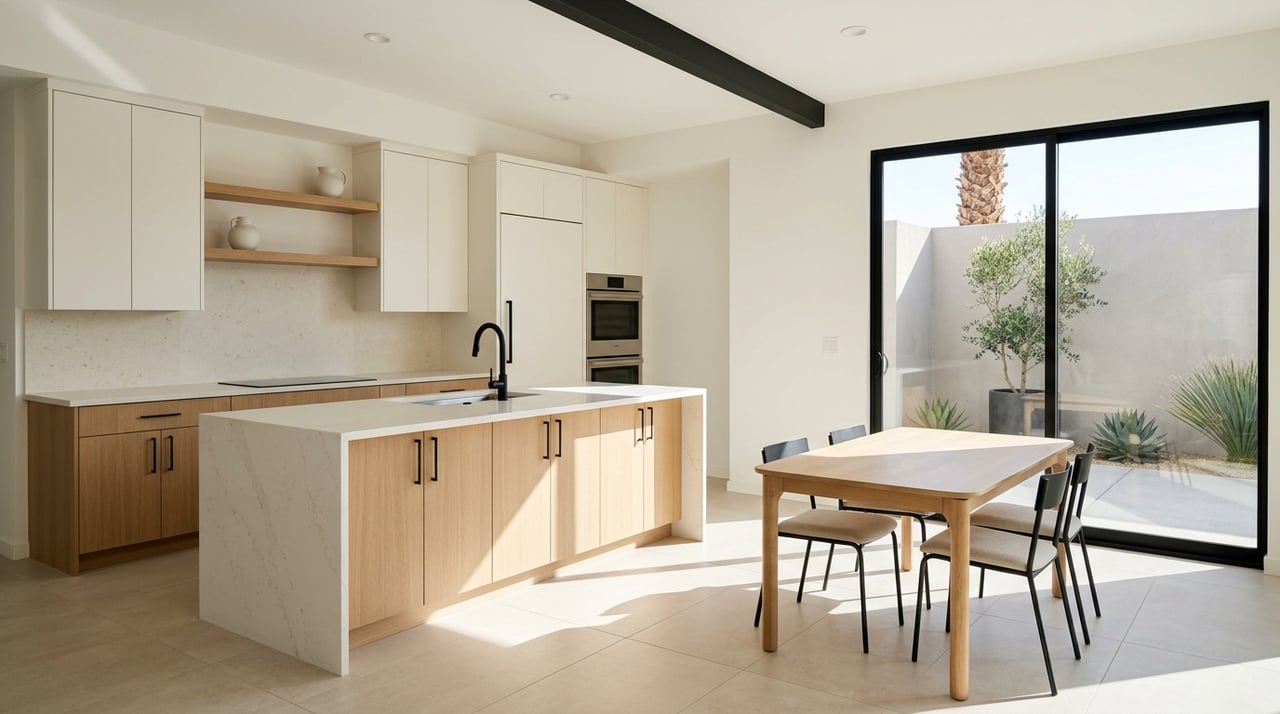
That means your prep plan does not need to be endless to be effective. If you clean thoroughly, reduce visual clutter, handle obvious deferred maintenance, and make key living spaces feel move-in ready, you may improve both buyer interest and time on market.
A fast sale is not just about the house itself. It is also about how the home shows up online, where most buyers start their search.
The National Association of Realtors’ 2025 buyer and seller profile reported that 52% of buyers found the home they purchased on the internet, 85% used a real estate agent, 70% used a mobile or tablet device, and 52% used an online video site. In the staging report, buyers’ agents rated photos, physical staging, videos, and virtual tours as highly important listing elements.
For sellers in Tempe, strong marketing is part of the speed strategy. Professional photography, a complete listing description, and broad digital exposure are not extras. They help buyers engage with your home quickly and seriously.
This is where a neighborhood-focused team can make a difference. When your pricing, presentation, and marketing all reflect the specific Tempe micro-market you are in, your timeline becomes much more predictable.
Many sellers focus on getting an offer and forget about the second half of the process. But after you accept an offer, closing can add several more weeks.
The Consumer Financial Protection Bureau says closing is the final step in buying and financing a home, and that the process can take several weeks as signatures are collected and the file moves through final steps. Chase’s 2026 timeline puts the average closing at 43 days from accepted offer to keys.
Several items can affect how quickly a sale reaches the finish line. Common variables include the appraisal, title search, underwriting, insurance, and document review.
That is why a financed sale in Tempe can easily stretch to about three months from first listing to keys, even when the home gets attention at an average pace. Cash buyers or especially clean, well-prepared transactions can move faster, but many sellers should plan for a full timeline instead of just the offer date.
Here is a simple way to think about it. If your home follows the current Tempe market pace, you might spend about 51 to 52 days on market before a sale, then about 43 more days getting from accepted offer to closing.
That does not mean every home will take that exact amount of time. But it is a useful planning baseline if you are coordinating a purchase, a lease, school-year timing, or a move out of the area.
While no one can promise an exact number of days, you can improve your odds of selling faster by focusing on the factors you can control.
Use neighborhood-specific comparable sales, your property type, and the current buyer pool to guide pricing. A condo in one Tempe ZIP code may move on a very different timeline than a single-family home in another.
Take care of deferred maintenance, declutter, deep clean, and improve curb appeal before the listing goes live. A polished first impression can help compress the timeline.
Because buyers are online-first, your listing should launch with professional visuals and a complete online package. Better presentation can attract more qualified interest sooner.
Once you accept an offer, be prepared for inspection items, appraisal questions, title work, insurance coordination, and document requests. A well-managed file can help prevent avoidable delays.
So how long does it really take to sell a home in Tempe? Right now, the honest answer is that the market clock is not one number.
A well-positioned single-family home in the right Tempe micro-market may move in a matter of weeks, while a condo or townhome may take longer. And even after you accept an offer, the closing process often adds enough time that your total list-to-keys timeline can approach three months.
If you want a clearer estimate for your specific home, the best next step is to look at the right comps, the right property type, and the right neighborhood trends. For a neighborhood-level pricing strategy and a realistic selling timeline, reach out to Daniel Birk.
Stay up to date on the latest real estate trends.
Real Estate
May 2026 Recap in The Lakes of Tempe
Get assistance in determining current property value, crafting a competitive offer, writing and negotiating a contract, and much more. Contact us today.