Looking for curb appeal that works with Scottsdale’s climate and adds value when you sell? In the Sonoran Desert, the right landscape does more than look good. It saves water, lowers maintenance, and creates outdoor living spaces buyers love. In this guide, you’ll learn water-wise options, realistic costs, and listing-day tips tailored to Scottsdale. Let’s dive in.
Why desert landscaping boosts value
Scottsdale is hot and dry, so outdoor irrigation can be a big part of your water bill. Local utilities and state agencies encourage conservation, and many buyers now expect drought-tolerant yards that look polished and are easy to care for. A thoughtful desert landscape checks both boxes.
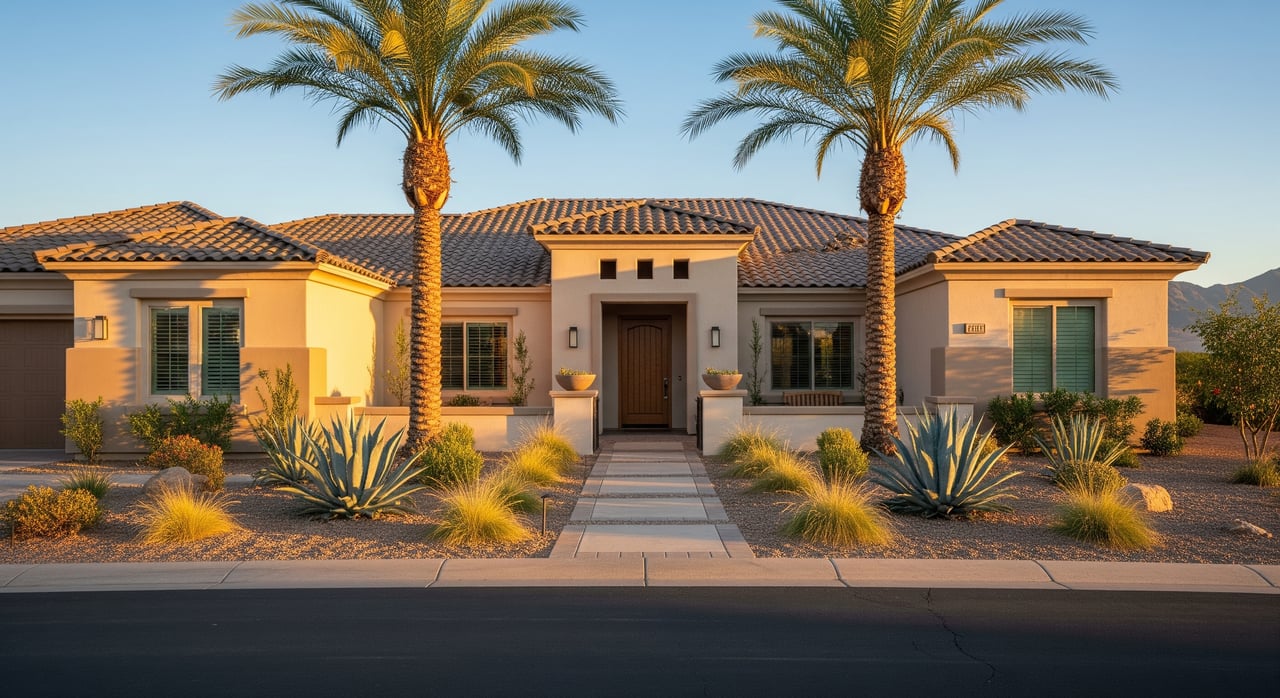
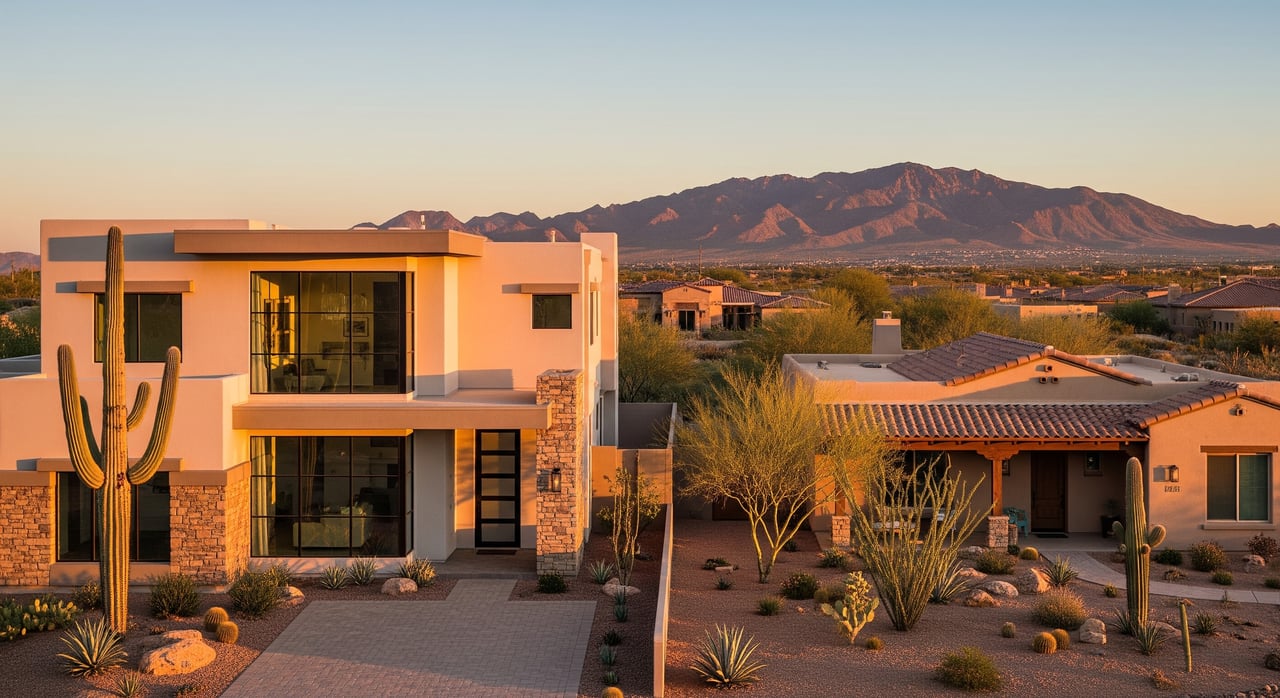
You also benefit from the regional look and feel. Xeriscape design fits the Sonoran Desert and still offers color, texture, and shade. Many neighborhoods have HOA rules about turf, plant palettes, or rock color, so make sure you review your covenants before you start. If rebates are available, confirm the requirements with your water provider before any removal or installation.
Xeriscape basics that work in Scottsdale
Plan and design first
Good xeriscape follows simple principles: plan the layout, improve soil where needed, group plants by water needs, use efficient irrigation, mulch the surface, reduce turf, and adjust maintenance as the yard matures. A plan helps you focus on high-impact zones such as the front entry and any main patio.
Think about how you will use the yard. Keep lawn only where it serves a purpose, like a small play area. Use paths and defined beds to guide the eye and make care easier.
Choose native and low-water plants
Native and desert-adapted plants thrive with less water and heat stress. They also offer the structure and seasonal interest buyers like to see.
Great shade trees for long-term cooling and value:
- Palo Verde (Parkinsonia spp.)
- Velvet mesquite (Prosopis velutina)
- Desert willow (Chilopsis linearis)
Reliable small trees, shrubs, and accents:
- Texas ranger (Leucophyllum spp.)
- Brittlebush (Encelia farinosa)
- Blackfoot daisy
- Red yucca (Hesperaloe parviflora)
- Agave and sotol
- Penstemon species
- Deergrass (Muhlenbergia rigens)
Mix evergreen structure with seasonal color so the yard never feels bare in winter. Be mindful of placement for spiny plants and keep them away from walkways. Saguaros and some native trees are protected, and moving large specimens may require permits or pros.
Make smart turf choices
Turf offers soft play space and can look inviting, but it needs much more water than desert plantings. To balance appeal and efficiency, keep lawn areas small and functional. Replace nonfunctional lawn with xeric beds, pathways, or a seating nook.
If you keep grass, choose warm-season varieties and manage them with a dialed-in irrigation schedule. If you consider artificial turf, weigh the cooler feel of living lawn against the heat that synthetic turf can hold and the cost of future replacement.
Upgrade irrigation and moisture control
Drip irrigation for plant beds is a must in Scottsdale. Set separate zones for trees, shrubs, and any turf so each gets the right amount. A smart controller or soil moisture sensors help you avoid overwatering and can cut outdoor use compared to standard spray systems.
Plan on seasonal adjustments, quick audits to fix leaks, and occasional winterization for equipment. Label valves and keep your controller visible. Buyers appreciate seeing an organized, efficient setup.
Use hardscape and shade for comfort
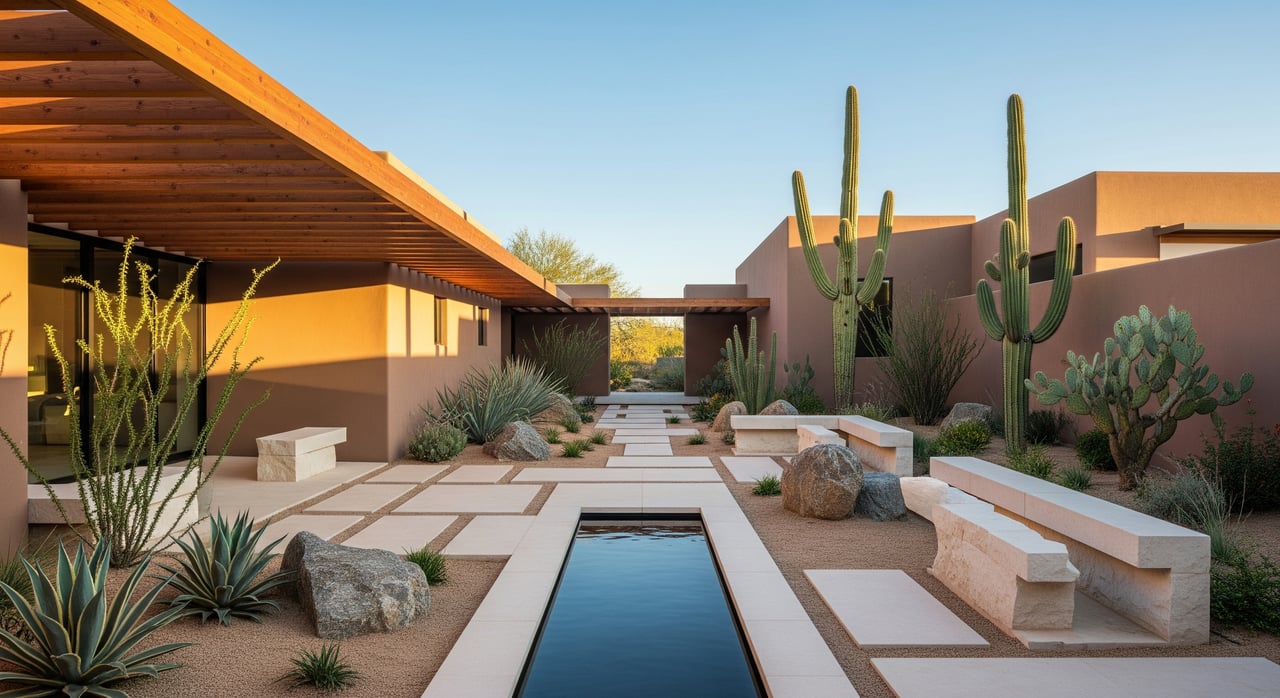
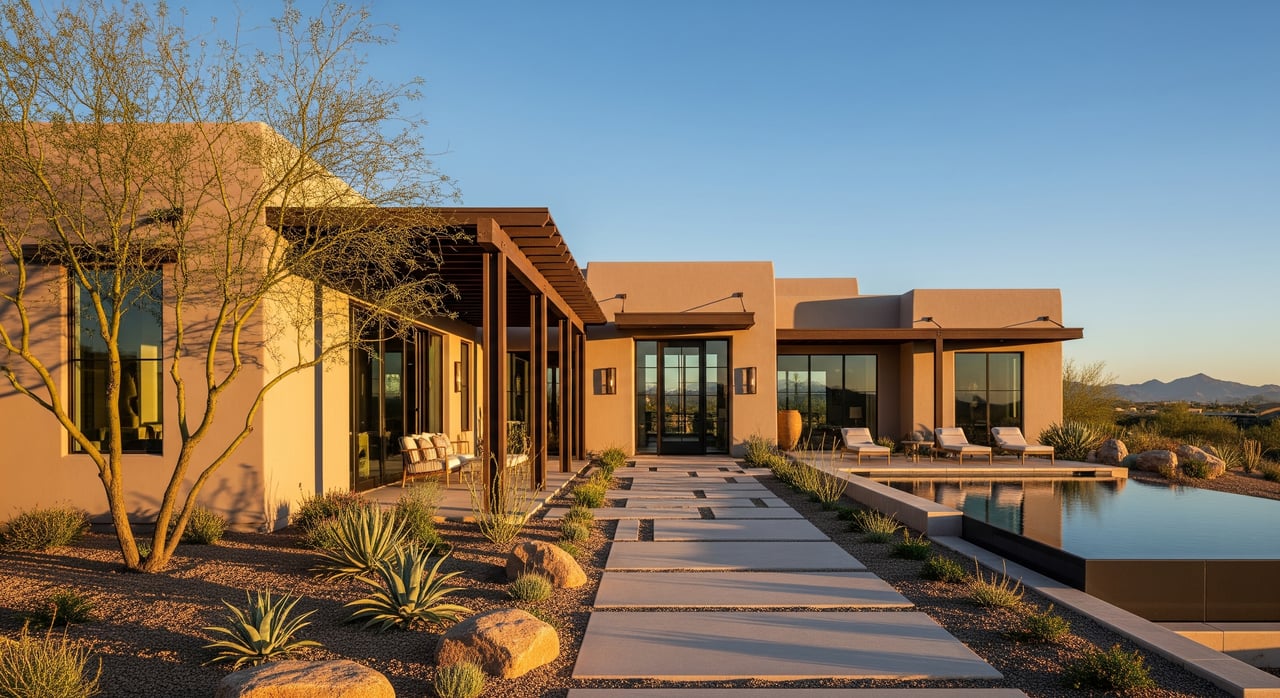
Hardscape turns your yard into living space. Decomposed granite is great for paths, while pavers or flagstone create patios that photograph well. Add boulders and rock groupings to anchor plant beds.
Shade is a priority in Scottsdale. Covered patios, pergolas, or shade sails make afternoons usable. Light-colored pavers and thoughtful placement reduce heat buildup. Large pots and strategic planting add softness to rock-heavy areas.
Budget guide for Scottsdale yards
Every site is different, but these ballpark figures help you plan. Get local bids for firm pricing, and check HOA and permit needs before work begins.
Typical installation ranges:
- Basic front-yard xeriscape conversion with lawn removal, gravel, a few accent plants, and simple drip: about $3,000 to $12,000.
- Mid-range xeriscape with DG pathways, 20 to 30 native plants, drip irrigation, and decorative boulders: about $8,000 to $25,000.
- High-end desert landscape with mature trees, large paver patio or outdoor kitchen, lighting, and design-build management: $25,000 to $100,000 or more.
- Artificial turf installation: commonly $5 to $15 per square foot, or roughly $2,500 to $7,500 for a 500 square foot area.
- Drip irrigation retrofit: about $1,000 to $6,000 depending on zones and complexity.
- Professional design fees: $500 for a simple concept up to $3,000 to $10,000 for detailed master plans.
Operating costs and savings:
- Replacing turf with xeriscape typically lowers outdoor water use by a significant percentage, especially when you add drip and a smart controller. The exact number depends on your starting point and yard size.
- Routine care is generally lower than lawn once plants are established. You still need seasonal pruning, weeding, and irrigation checks.
- Mature shade trees and usable outdoor areas tend to add more perceived value than rock-only treatments.
Rebates and rules:
- Scottsdale-area utilities and regional programs sometimes offer turf-replacement rebates, smart controller discounts, or native plant incentives. These change over time, so verify current offerings before you start.
- Larger projects with grading, tree removal, or major hardscape may require permits. HOAs may have planting lists, rock colors, or turf limits. Get approvals in place early.
Listing-day wins for sellers
Quick wins that show up in photos
- Clean and repair. Remove dead plants, blow gravel, power-wash pavers, and fix irrigation leaks.
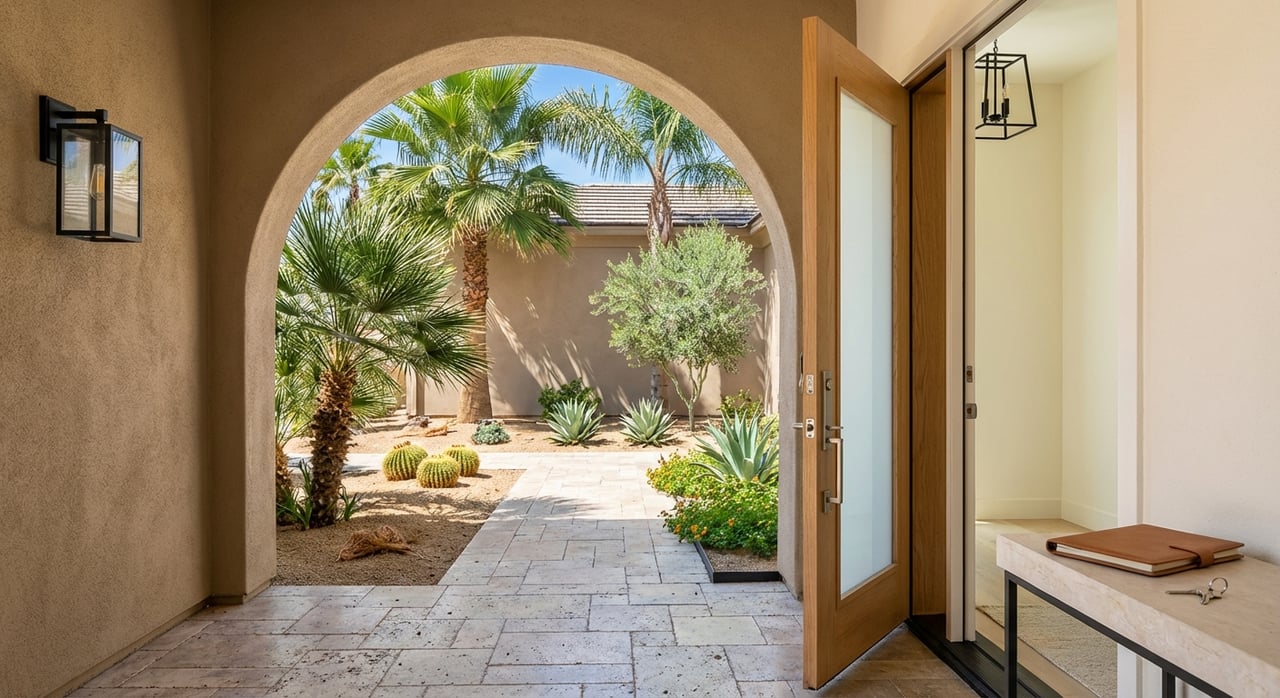
- Define the entry. Edge walkways, add a pair of focal pots, and keep plant heights low near the front door.
- Add lighting. Low-voltage path lights and a few uplights on trees improve evening curb appeal.
- Prune with purpose. Shape gently and clear sightlines without shearing desert plants into harsh shapes.
- Refresh rock. A thin, new layer of correctly colored rock or DG makes the yard look uniform and cared for.
Medium upgrades that help your bottom line
- Plant one or two well-placed shade trees if timing allows. Trees are a standout feature in hot climates as they mature.
- Convert the largest, least-used lawn area into a xeric bed with a path, and keep a small lawn if buyers are likely to want one.
- Install a smart controller and tidy the valve box. Visible efficiency reassures buyers.
- Create a simple seating area with pavers and a shade umbrella so buyers can picture daily life outside.
Staging cues for photos and showings
- Use color. Seasonal blooms in pots or beds draw the eye in listing photos.
- Show function. Set a small dining set or lounge chairs to define a patio.
- Shoot at the right time. Capture the front yard in morning or evening light, and turn on landscape lighting.
What to avoid
- Too much bare rock with no plants. Balance structure with soft plantings and seasonal color.
- Low-quality artificial turf in visible areas. Heat and seams can turn buyers off.
- Skipping HOA or permit checks. Compliance issues can derail a sale.
Step-by-step plan you can follow
Quick checklist
- Review HOA rules and confirm any city permits or rebates.
- Audit irrigation and house drainage before design.
- Prioritize high-impact items: entry curb appeal, shade trees, irrigation upgrades, then plant palette.
- Get two to three bids from landscape pros experienced in desert design. Ask for before and after examples.
- Plan seasonal timing. Fall and winter are ideal for planting in Scottsdale so roots establish before summer heat.
- Prep for staging with outdoor furniture, fresh pots, and clean lighting.
Timeline benchmarks
- Cleanup and irrigation fixes: a few days to 2 weeks.
- Turf removal and simple xeriscape installation: 1 to 3 weeks based on scope and crew availability.
- Tree planting and establishment: instant visual lift, with meaningful shade benefits growing over seasons.
- Full design-build projects: several weeks to a few months, especially if permits or HOA approvals are needed.
How we can help you decide
You want to invest where buyers will notice and appraisers will understand. If you are debating between turf removal, a patio expansion, or a shade tree plan, we can help you weigh curb appeal against cost and timeline. Our neighborhood-first approach focuses on what sells in Scottsdale and nearby East Valley communities.
If you are listing soon, we can advise on quick wins that photograph well, then tailor your marketing to highlight your outdoor living upgrades. Ready to see how your yard improvements could impact your sale price? Reach out to Birk for a conversation or Get Your Free Home Valuation.
FAQs
What is xeriscape landscaping in Scottsdale?
- Xeriscape is a water-wise approach that uses planning, drip irrigation, mulch, and desert-adapted plants to reduce watering and maintenance while keeping a layered, attractive look.
Which desert plants add the most value in Scottsdale?
- Mature shade trees like Palo Verde, velvet mesquite, and desert willow provide long-term cooling and appeal, while accents like Texas ranger, red yucca, and agave add year-round structure and color.
How much does a front-yard xeriscape cost in Scottsdale?
- A basic conversion typically ranges from about $3,000 to $12,000, with mid-range projects around $8,000 to $25,000 and high-end designs at $25,000 to $100,000 or more depending on scope.
Do I need HOA or city approval for landscape changes in Scottsdale?
- Many neighborhoods have HOA rules for turf, plant lists, and rock color, and larger projects may require city permits, so check and secure approvals before starting.
Is artificial turf a good idea in Scottsdale heat?
- Artificial turf can reduce water use and mowing, but it often holds more surface heat than living plants, so use it sparingly in shaded or less-exposed areas and focus on quality installation.
When is the best time to plant desert trees and shrubs in Scottsdale?
- Fall and winter are ideal so roots can establish during cooler months, which helps plants handle summer heat with less stress.